
When a European project reaches its final stage, one key question inevitably arises: does its real impact end when the funding period is over? In practice, the answer depends on how deeply project results are embedded into local and regional systems — and whether they continue to be used, developed, and transferred beyond the project’s lifetime.
The Capacity2Transform (C2T) project offers a compelling example of how European initiatives can evolve into long-term development platforms, rather than remaining time-limited interventions.
From project activities to lasting solutions
Over its three-year implementation period, C2T demonstrated that the digital-green transition becomes tangible only when skills development, entrepreneurship, and practical implementation tools are aligned. The project engaged thousands of participants, developed numerous Digital-Green-Creative (DGC) solutions, and produced learning materials that remain accessible and relevant even after the project’s conclusion.
In practical terms, this means that project results do not end with the final report. Instead, they become methodologies that can be applied by SMEs, business support organisations, cultural and creative industries, and public institutions seeking to strengthen their transformation capacity.
Why sustainability is the project’s most critical phase
Experience from European cooperation initiatives shows that the end of funding often marks the beginning of a new phase — the phase of knowledge transfer and real-world application. During this period:
- developed tools become integrated into everyday organisational practices
- partnership networks continue collaboration through new initiatives
- educational content evolves into long-term skills development programmes
- pilot solutions gain opportunities for broader implementation and market uptake
Capacity2Transform anticipated this transition early in its lifecycle by building platforms and collaboration structures designed to extend the project’s impact across regions and sectors.
Project legacy: knowledge infrastructures that remain accessible
One of the project’s most significant contributions is the creation of digital and organisational infrastructures that function as long-term knowledge and collaboration hubs. Platforms such as MediaFactory and KnowledgeFactory provide continued access to case studies, tested methodologies, and expert insights, ensuring that project results remain visible, usable, and transferable.
This approach is particularly important in the context of the digital-green transition, which is inherently a long-term process requiring continuous learning, adaptation, and cooperation.
Building Bridges: a replicable ecosystem-building model
A flagship achievement of the project is the Building Bridges co-creation process. Through regional workshops and transnational knowledge exchange, this model demonstrated how local challenges can be transformed into implementable innovation concepts.
Today, Building Bridges is recognised as a transferable framework for strengthening entrepreneurial ecosystems, meaning that its application can continue in future projects, policy programmes, and regional development strategies.
The future of Capacity2Transform: from project to movement
Although the formal implementation phase is coming to an end, Capacity2Transform has the potential to evolve into a sustainable European collaboration network. Its future trajectory may include:
- continued development of digital-green-creative competences through new initiatives
- international networking of SMEs, CCIs, and innovation stakeholders
- integration of developed solutions into regional and national policy frameworks
- launching follow-up projects that build on the project’s tested approaches
In this sense, C2T stands as a strong example of how European projects can create lasting developmental impact — not only through measurable outputs, but through tangible changes in how organisations cooperate, innovate, and build resilience.
The project may end — but transformation continues
Perhaps the most important lesson emerging from the Capacity2Transform experience is that the true success of a European project begins after its formal closure. When results become embedded in daily practice, when knowledge continues to circulate, and when partnerships evolve into new opportunities, a project stops being just a project — and becomes a catalyst for long-term transformation.
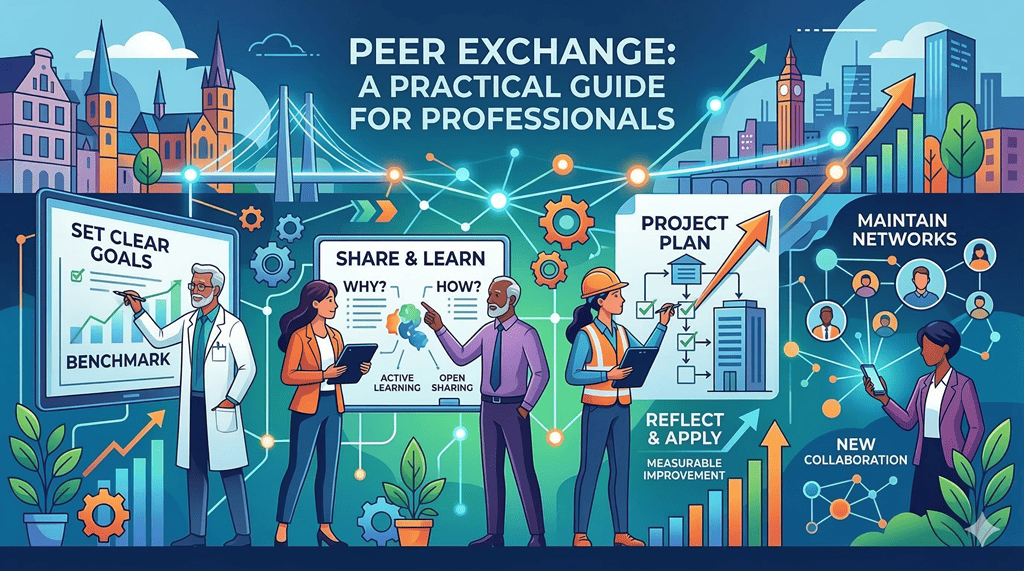
Cover image generated by Gemini AI
Share the article