

Why “Building Bridges” matters
Regions often have strong digital or green solutions on the table — but struggle to translate them into implementable, user-centred and market-relevant actions. Building Bridges was designed to close that gap by combining structured co-creation, stakeholder collaboration and transnational learning.
What happened (the tested process in numbers)
Building Bridges started with regions identifying real-world digital/green challenges and inviting multidisciplinary participants through open calls. In total, partners across 9 regions delivered 12 regional co-creation workshops, then accelerated selected concepts through 5 transnational workshop sessions (3 themes). The pilot actions resulted in the promotion and implementation of 10 DGC solutions, while also testing support tools in practice.
What made the process effective
A key success factor was the role of Cultural and Creative Industries (CCIs) in making solutions clearer, more user-centred and easier to communicate. During the process, CCIs applied service design tools such as User Journeys, Stakeholder Maps and Service Blueprints, helping teams think systemically and design scalable service models.
What others can reuse (your quick-start replication outline)
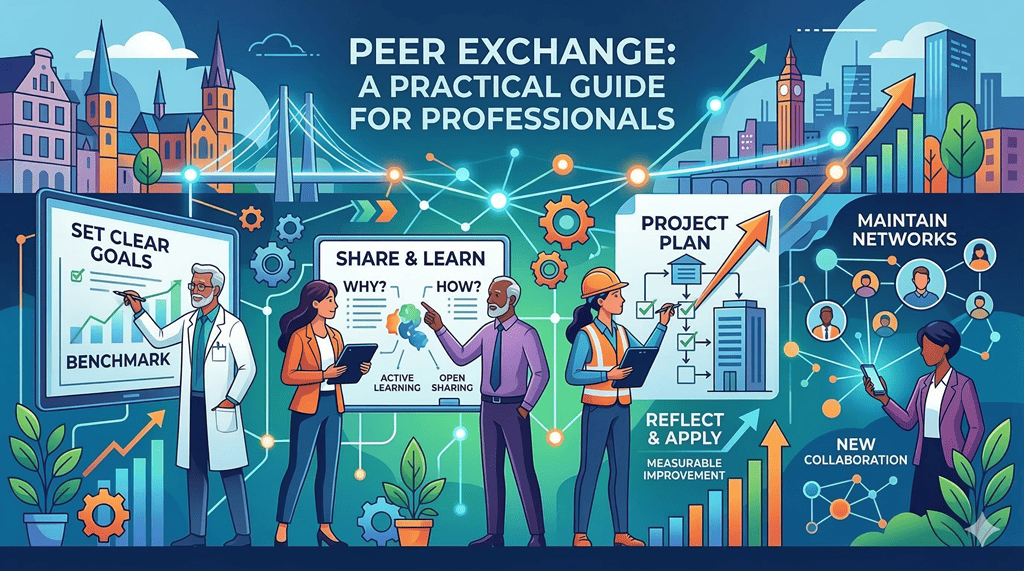
If you are a BSO, region, cluster, incubator, destination management organisation, or local innovation agency, you can reuse Building Bridges as a practical “mini-pilot” format. Here is the replication outline:
Step 1 — Define the challenge (1–2 weeks)
- Select 3–5 priority challenges tied to your region’s digital/green transition needs.
- Describe each challenge in plain language and define success criteria.
Step 2 — Launch an open call (2–3 weeks)
- Invite cross-sector teams (business + creative + tech + policy/education).
- Optimise for diversity of perspectives, not just sector representation.
Step 3 — Run the regional co-creation workshop (1 day + follow-up)
- Move from “problem framing” to concept sketches and validation.
- Use service design tools to make the solution usable and communicable.
Step 4 — Transnational / interregional upgrading (optional but powerful)
- Bring selected concepts into a structured peer setting to improve the business model, storytelling and implementation readiness (this is where many teams reported the added value of international exchange).
Step 5 — Implement and document
- Prioritise small, measurable implementation steps and document the learning so it becomes transferable.
What to expect as an outcome
- Clearer, more implementable solution concepts
- Better collaboration across business–creative–tech communities
- Stronger storytelling and pitching capacity
- A repeatable workshop format you can embed into your regional support programmes